Springs of Helicon Magazine Launch
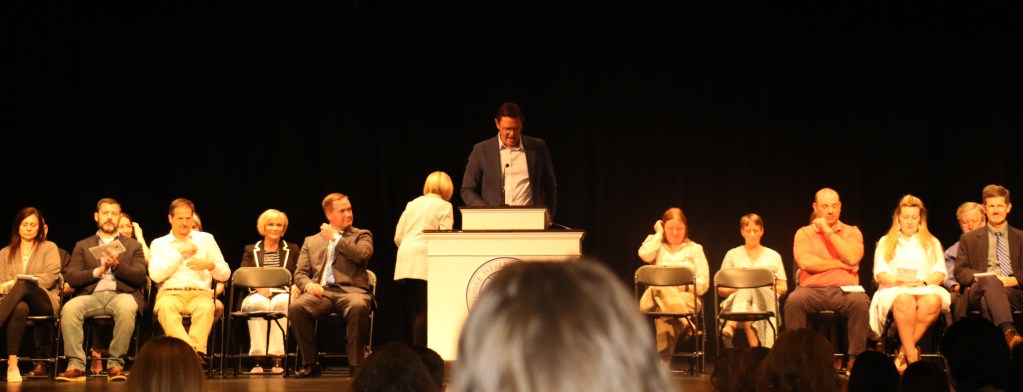
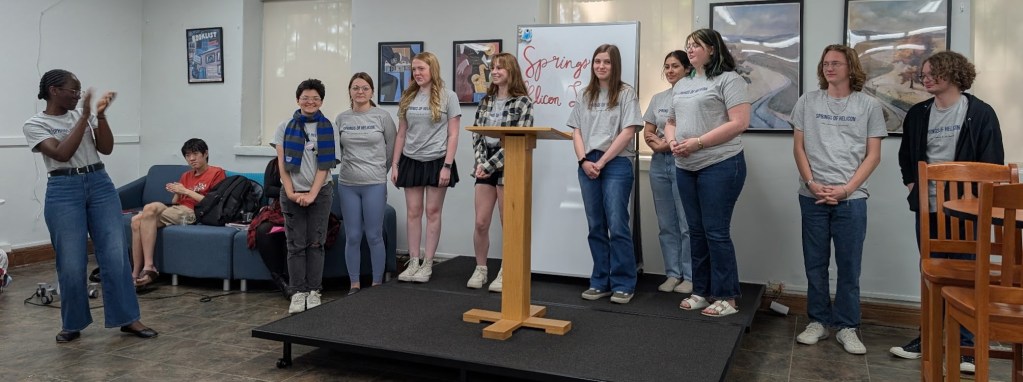
By Emarie Bailey; contributions from Hayden Dixon; edited by David Tayau On April 24, 2026, Tennessee Wesleyan University (TWU) launched this year’s Springs of Helicon student-led literary magazine. Students, professors, family, and contributors gathered downstairs of the Merner-Pfeiffer library to participate in the launch of the literary magazine. The event kicked off with the Creative Writing professor, Dr. Tryphena Yeboah, thanking everyone for coming to celebrate the work both students and staff have devoted to the magazine. This was followed soon after with a student, and editor, named Keljan Thomas, presenting his reflection on writing and listening. One of TWU’s English professors, Dr. James Schiavoni, introduced our award winners for each category of creativity our magazine presents which led to the unraveling of the rest of the event. Our contributors include: “It was so exciting to see the community of Tennessee Wesleyan gathering for all of our contributors and staff,” says Anna Greene, a main editor for the magazine. “Whether it was the first time someone shared [their] work or the first time someone attended a reading, the launch brought together a lot of diverse stories and people.” After each contributor finished their readings, appreciation was shown to each of the student editors that participated in making the magazine. The 2026 Springs of Helicon Magazine Launch was a huge success and about 100 copies were given out to those who came to observe the event. All photos provided by E&H Photography.